7/17/2026
Ad MeasurementMERD2C
The month-end close for ad spend is the practice of matching platform-reported campaign revenue against actual retained revenue at the end of each period, the same way a finance team closes its books, so that next period's budget is planned on verified rather than reported numbers.
No CFO reports revenue from the sales team's pipeline sheet. Finance closes the books: what was promised gets matched against what actually arrived, differences get explained, and only then does the number enter planning. Ad spend has never had this discipline.
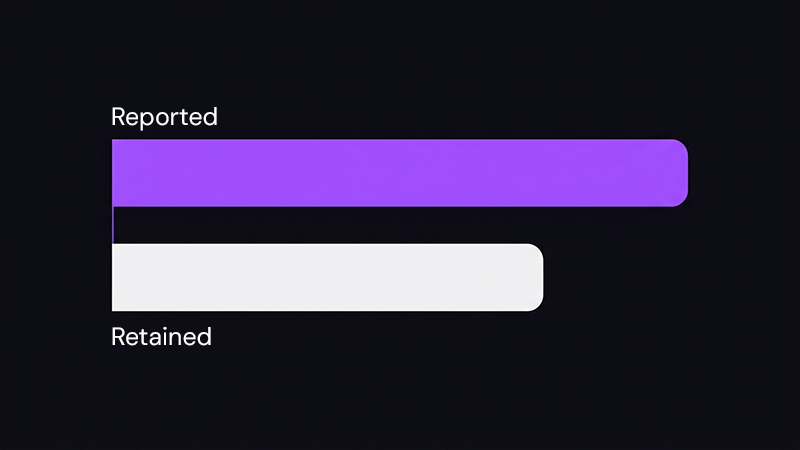
Schematic only, actual gap size varies by category, payment mix, and return rate.
The platform's reported revenue, the marketing equivalent of the pipeline sheet, flows straight into next month's budget without ever being matched against what the bank received, that unmatched space between the two is the Reality Gap, and the month-end close is what forces you to measure it every period instead of letting it compound.
Definition: month-end close for ad spend, a period-end reconciliation process that matches platform-reported ad revenue against retained revenue, so future budgets are set on verified figures rather than platform-reported ones.
Four steps, repeated every period. One: pull reported, the revenue and ROAS your platforms claim for the period. Two: pull retained, the estimated revenue actually kept after cancellations, COD failures, and returns, allowing the returns window to settle, this is the same retained-revenue logic that underlies Retained MER. Three: compute the gap, in rupees and as a percentage, and note where it concentrated, which campaigns, which payment types, which categories. Four: adjust, letting next period's budget and targets rest on the retained figure, with the reported figure kept for platform-to-platform comparison only.
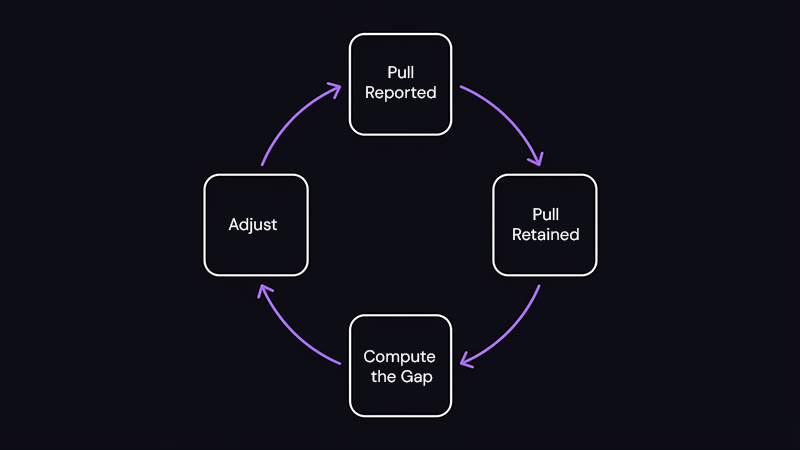
In a founder-run brand, the founder owns the close until a performance hire exists to inherit it, and inheriting a clean close discipline is one of the best first weeks a new marketer can have. Monthly is the standard cadence, matching finance, brands scaling spend quickly benefit from a lighter weekly reading between closes, using the same steps at lower ceremony.
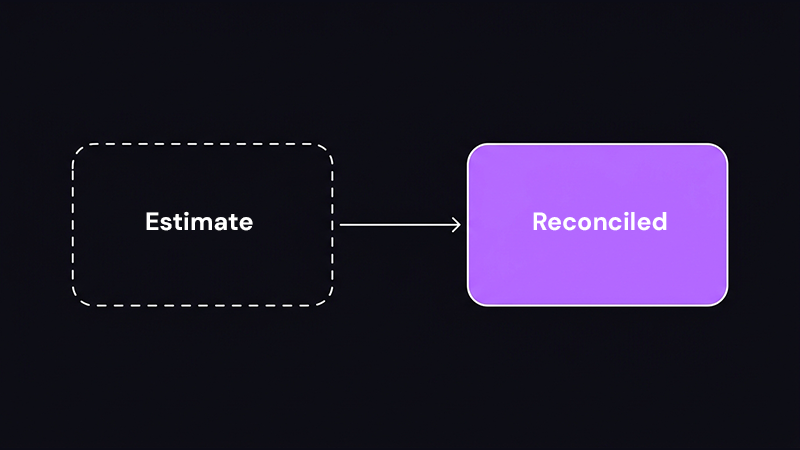
A close built on a stitched estimate is already a categorical improvement over no close at all, and honesty requires labelling it: this month's close matched reported revenue against an estimated retained figure. Order-level deterministic reconciliation, matching each platform-recorded conversion to its store order, is what upgrades the closure from estimate-based to defensible line by line. Run the estimate-based close now, upgrade the label when the method earns it.
A close is a measurement discipline, not a strategy. It will tell you the number you planned on was inflated and by roughly how much, it will not by itself tell you which creative to change or which audience to cut. It earns its keep by making every downstream decision rest on a number the bank account would recognise.
Done manually with exports and a spreadsheet, a few hours the first time and less once templated. Done from continuously joined data, minutes: the close becomes reading a prepared report rather than assembling one.
See your own estimated gap. Adverti Chat joins your ad spend with your store and delivery outcomes and shows a stitched estimate of what you actually kept, next to what was reported. Free plan, read-only access, no card.
Don’t miss our most popular and impactful reads.
Connect your Meta and Google accounts. Your first audit is ready in 30 seconds. Free forever on the Free plan.
We use cookies to keep Adverti working, understand how the site is used, and measure our ads. You can accept all, reject all, or choose what you allow. Read more in our Cookie Policy.